
Michigan Busted Wanted Lists
Michigan has no master wanted list. Several selective systems operate side by side, and each page reflects the agency behind it. The MSP tip-line page carries the “Michigan’s Most Wanted” label. Its materials also describe wanted-fugitive and tip functions. It offers a phone route for tips. That route is not a searchable inventory of every Michigan warrant, and a tip page is not a complete roster.
The Michigan Department of Corrections features people under state supervision listed as absconders or wanted by that department. The U.S. Marshals Service posts selected federal fugitive profiles, including Eastern District of Michigan matters. County sheriffs and police agencies may run their own notices. Custodians, selection rules, and update practices all differ. One missing name proves nothing. A warrant can still exist.
The Michigan State Police tip-line page sets out the official statewide contact route and emergency direction for information about a listed person. It is no substitute for checking a specific case with the court or agency.
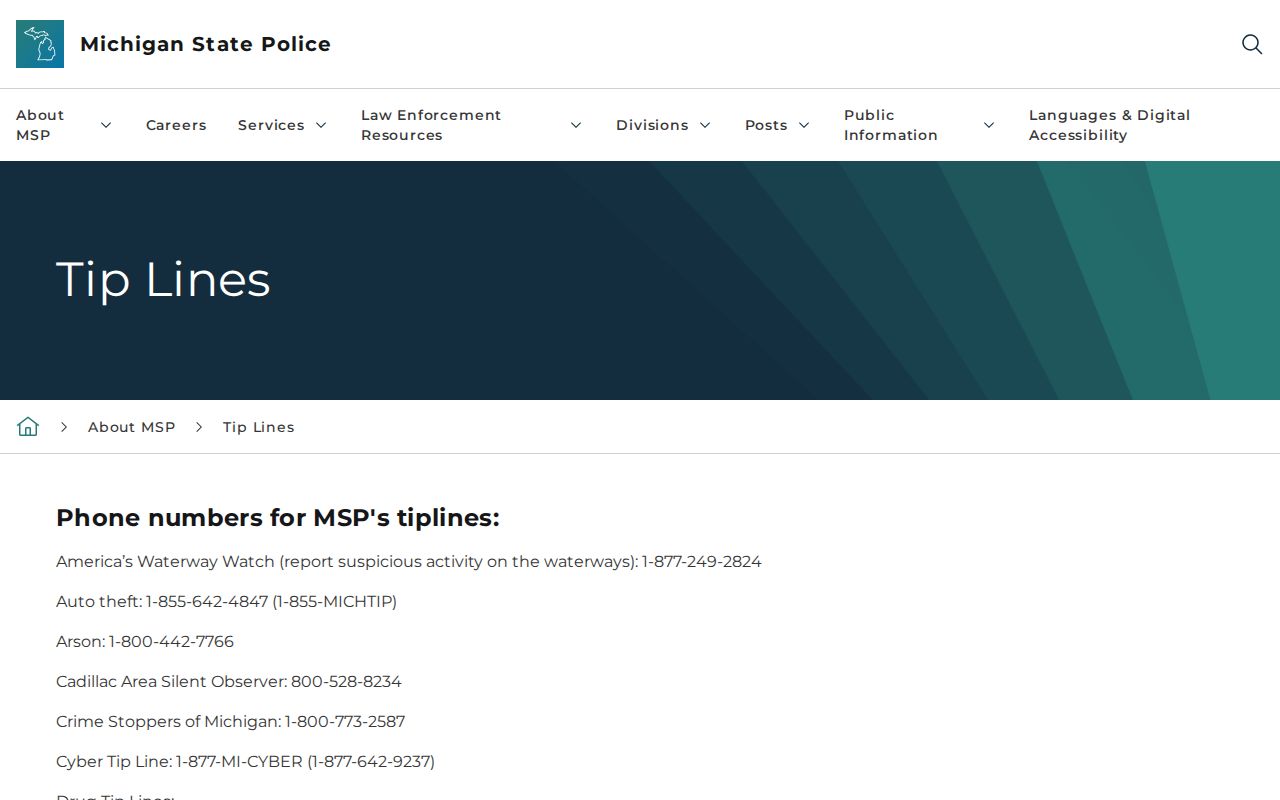
Use the agency link for current instructions, since phone routes and wanted notices can change. Never repost a profile photo or a person’s address.
What Busted Wanted Listings Show
A profile helps only when you know its source and limits. Some official pages show photos and descriptors. Others offer just a tip line. Note who issued the notice, the warrant jurisdiction, any update date displayed, and the official way to report information. No date appears on every page. Treat an undated listing carefully and confirm it with the agency before acting.
| System | What the source may show | What it does not establish |
|---|---|---|
| Michigan State Police | The Michigan’s Most Wanted tip route and MSP wanted-fugitive information. | A complete list of Michigan warrants or proof that a profile remains active. |
| MDOC OTIS Most Wanted | Featured absconder or wanted profiles from the Department, with an official report route. | A general county booking list or a new-crime warrant for every person shown. |
| U.S. Marshals | Selected federal profiles, often with a photo, physical descriptors, warrant jurisdiction, and tip route. | A complete federal list or a county booking-photo archive. |
| County agency | Details selected by that sheriff or police agency, which can vary by county. | Statewide coverage or a uniform update schedule. |
Differences matter when someone has more than one case. They also matter when a page stays online after an arrest. The agency’s current page and direct confirmation carry more weight than a copied post or an old search result. Trust the source, not the share. USMS wanted profiles are not a general federal booking-photo archive. The agency’s prisoner-photograph policy explains limits on releasing personal histories, photographs, and arrival or departure details. A county booking photo has one custodian. A federal fugitive profile has another.
MDOC Absconder Records
Michigan’s corrections department runs a most-wanted page. The OTIS most-wanted page of the Michigan Department of Corrections lists its featured absconders and wanted profiles. An absconder is someone reported as having left or ignored required supervision. That is its own category. A parole or probation absconder differs from a person newly wanted on a local warrant. The distinction holds even with another court matter pending.
MDOC routes tips about an absconder to local law enforcement or its own line. The department’s FAQ lists 517-755-0855 as its tip number. Reporting belongs to the supervising agency. Never attempt contact or conduct your own search in the community.
The list is selective and can change. MDOC’s legislative-report archive holds parole-absconder reports. Those quarterly documents offer historical and aggregate context rather than current listings. A report is not a live roster. For any individual profile, note the source agency and the access date. Also note any date on the page. If no date shows, ask the department. The OTIS interface is the department’s official profile source. It is not a third-party copy. Supervision status alone does not show whether a separate warrant has issued.
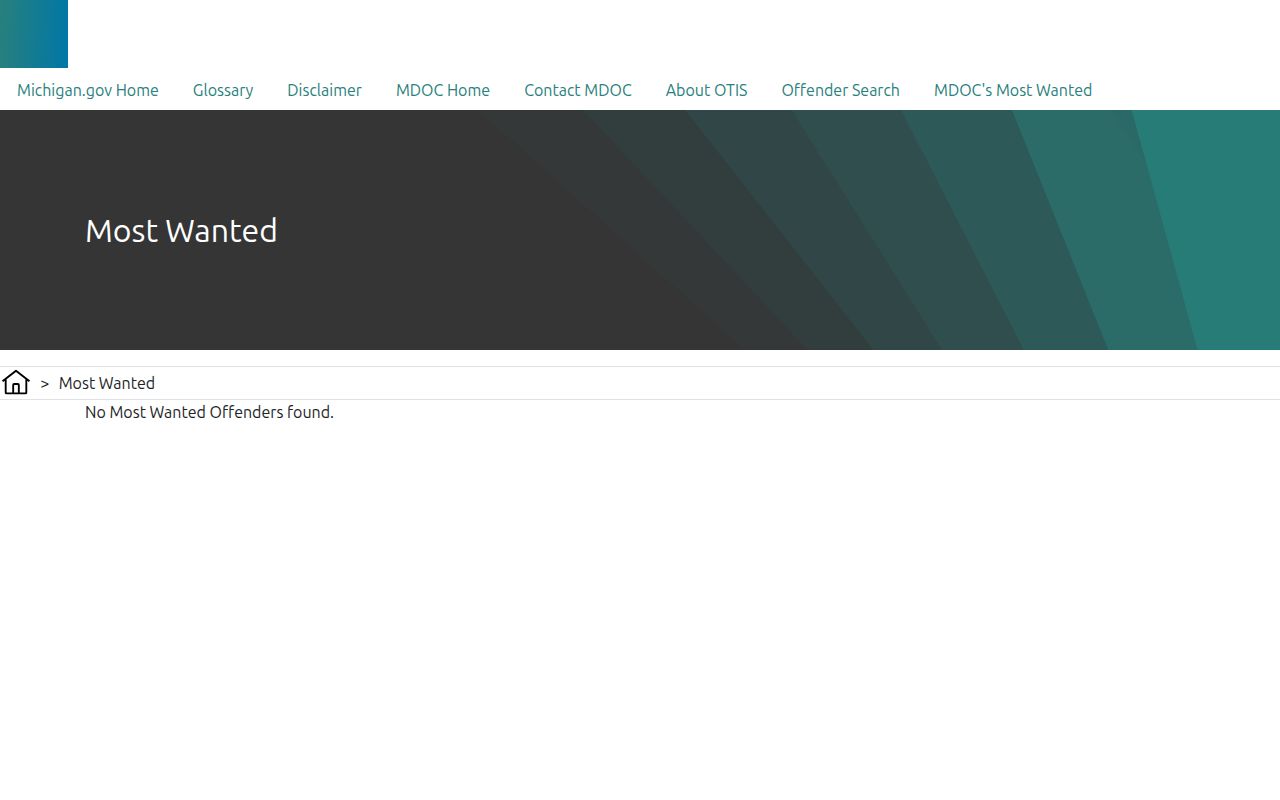
Read the agency label and reporting instructions before sharing anything. A quarterly report shows trends, not a person’s present status.
County Busted Mugshot Routes
Wanted listings work best at the county level. One sheriff posts a short roster of fugitives. Another publishes nothing and routes tips through dispatch or a detective bureau instead. Keep in mind that three offices may hold the pieces of one case. These are the agency that made the arrest, the court that signed the warrant, and the jail doing the holding. No single county page can stand in for all three. A statewide search should never assume otherwise.
Begin with the county named on the warrant paperwork. The Michigan County Directory connects to every county site. Sheriff, jail, court, and records contacts sit side by side there. Check the sheriff's own site for wanted notices and tip instructions. A silent page is a signal. Call the county agency through the contacts on its official site rather than trusting a private mugshot index.
Federal custody runs on a separate track. The Federal Bureau of Prisons locator takes a name or register number. It covers inmates from 1982 forward. It does not carry county jail rosters or Michigan's state-supervision list. A U.S. Marshals fugitive profile is different again, a handpicked wanted notice with its own tip route. The BOP inmate locator shows the federal search fields plainly. Yet its results include no photo, so it serves no one hunting a mugshot. For a local warrant question, neither federal source replaces the county agency or the court.
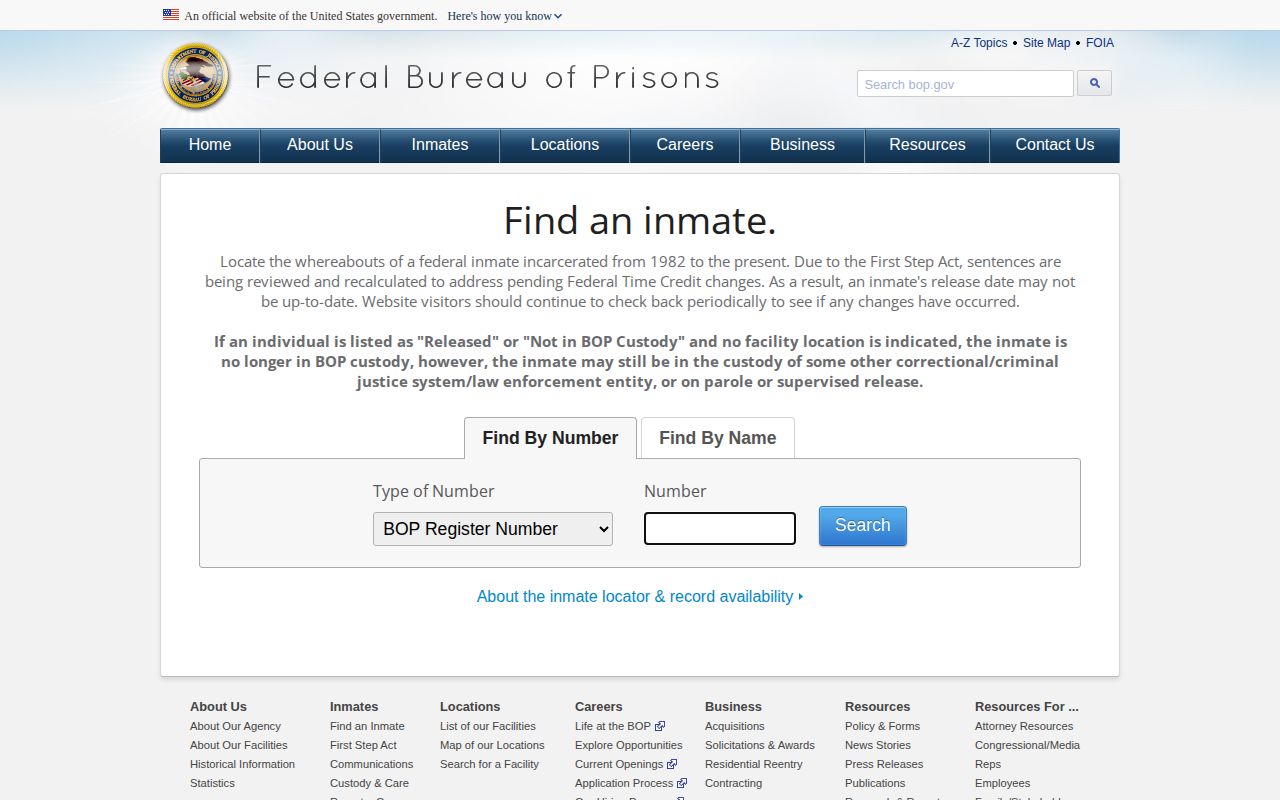
A federal inmate result speaks only to federal custody. It will not confirm a county warrant or hand over a booking photo.
Michigan Court Search Limits
MiCOURT's statewide case search serves the public. It takes a name or case number wherever the court has published the case. It can point you to the right case and court. It cannot validate a live warrant, and it shows no mugshots. Juvenile and sealed matters may be left out. So may confidential, older, or locally retained cases, all limited in the online view.
A search result is never the court's official file. The clerk's docket controls, and the portal is informational only. A case can stay visible after its warrant is recalled, served, changed, or resolved. A blank result may just mean narrow portal coverage. So treat nothing here as proof that a warrant remains active. And treat nothing as a summons to appear.
Got a case number? Match the county and court in the result against your paperwork or the agency notice. No result at all? Ask the court clerk which office holds the case and how to confirm its status. Without a case number, turn to the county directory for the likely county court or issuing agency. MiCOURT's case-search portal opens the door. It is a starting point, not the full official record.
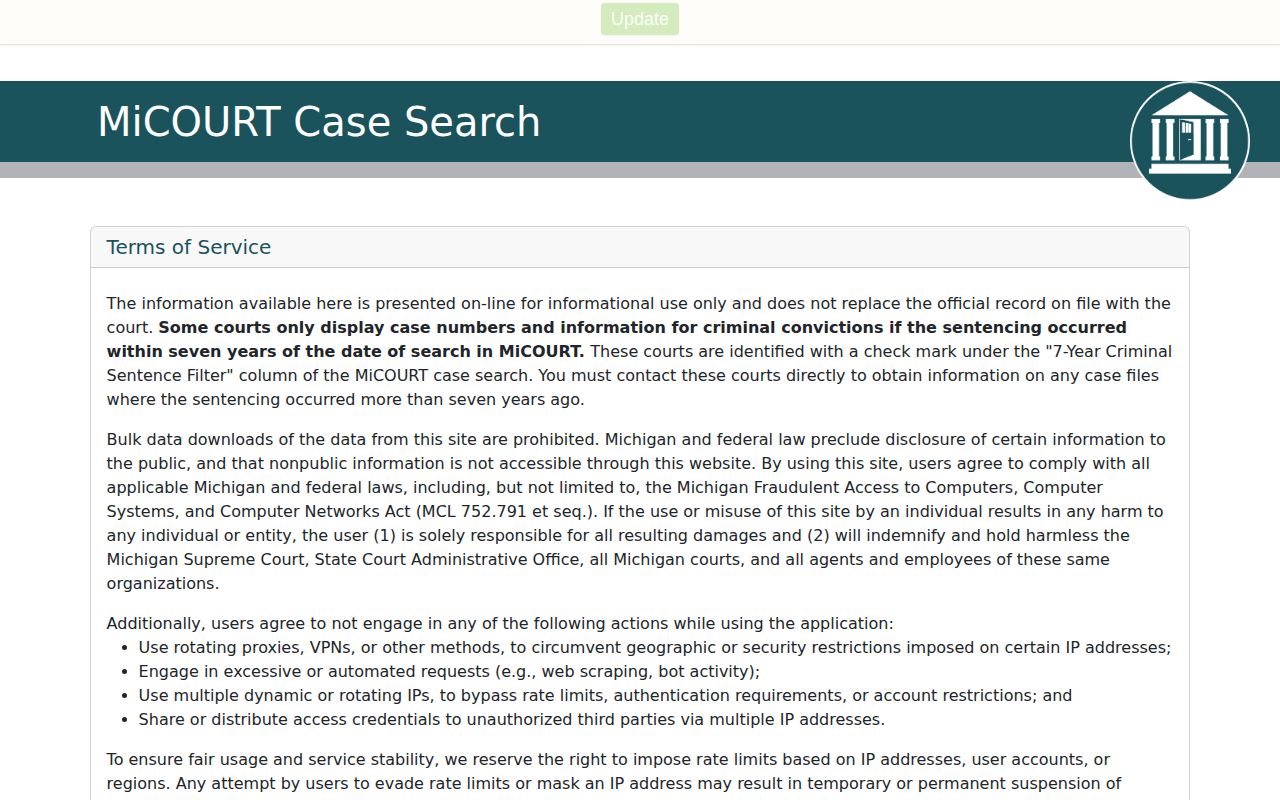
Let MiCOURT find a published case first. Then have the clerk or issuing agency settle any active-warrant question.
Michigan Warrant Check Steps
A warrant is a court order. It authorizes a specific law-enforcement action. Michigan offers no single public lookup that verifies every active warrant, so a wanted list only scratches the surface. Court records and law-enforcement files sit with separate offices. The safe move is to find the issuing court or agency and ask that office directly for current status and instructions. If the matter touches you personally, a lawyer can make that contact and arrange a lawful next step.
- Gather the case details. Use a court notice, citation, case number, county, or issuing-agency name if one is available. Do not rely on a similar name alone.
- Search the court case. Try MiCOURT by name or case number to identify a published case and court. Treat a result as a lead, not confirmation that a warrant is active.
- Find the issuing office. Use the county directory and the court’s official contact page to locate the clerk or agency tied to the case. Ask which office can confirm whether the warrant remains active or has been served, recalled, or changed.
- Get case-specific instructions. Speak with an attorney or the issuing court about a safe, lawful way to address a confirmed warrant. Keep copies of notices and any written status response.
- Keep distance from wanted people. Do not approach, follow, detain, or try to question someone shown on a profile. Send information through the official tip route.
Michigan's official wanted profiles are selective by design. Court-search systems have their own limits. No statewide chart of warrant types or uniform resolution route exists in the available sources. A parole or probation absconder status is a supervision matter. A new warrant is a separate legal record. Since the right office depends on the actual case, a generic "warrant type" label is no substitute for word from the issuer.
Michigan Busted Tip Routes
Send tips straight to the agency named on the profile. Michigan State Police list a Most Wanted tip line. Their page also says to call 911 first in an emergency. For absconders, MDOC asks that you contact local police or its own tip line. The USMS offers a federal route, either a national number or a district contact. Some county notices add a local option of their own.
Never confront someone to check a tip. A listed address is not an invitation either. Keep names of family members and location details off public posts. Notices go stale after an arrest or a warrant change, and look-alike names trip people up all the time. Hand investigators the facts you saw, then step back and let them work.
Safety: Never approach or detain someone on a wanted notice. Call 911 in an emergency, or send tips through the agency's official channel.
Official Michigan tip routes
MSP Michigan's Most Wanted: 1-877-445-8477
MDOC absconder information: 517-755-0855
U.S. Marshals tip line: 1-800-336-0102
Emergency: 911
Check the linked agency profile before dialing. Some USMS matters use a district-specific contact instead.
Want a custody alert instead of a wanted notice? MI-VINE sends free notifications when something changes with a person in custody, covering events like release, transfer, escape, or death in participating Michigan systems. It holds no booking photos, though, and plenty of county jails sit outside its reach.
Michigan Busted List Limits
Every official source here answers one narrow question. MSP gives you a tip route for wanted persons. MDOC spotlights selected absconders from correctional supervision. USMS profiles certain federal fugitives, while county agencies post their own local notices, and MiCOURT can surface a published court case. No single source adds up to a complete, always-current Michigan warrant database. Keep the two record types straight, too. A federal tip notice does not turn the Marshals Service into a county booking-photo custodian. Check the date printed on the source itself. Save the agency name with whatever you find. When the answer shapes a real decision, ask the issuing office directly. For recent bookings or local custody records, the statewide arrest and booking overview on the Michigan home page maps out which county routes to use. The final court outcome lives in the court record, and it has to be read there, in context.