
Michigan Busted Mugshots and OTIS
OTIS is the Michigan Department of Corrections' public offender-tracking search. It covers people tied to state prison or current parole and probation supervision. People discharged from supervision during a limited window stay included too. A result can carry a photo, identity details, and status. It also lists supervision dates, location, and offense and sentence information. That makes OTIS handy for locating an MDOC record. It is not a statewide booking feed. Nor is it a complete index of Michigan mugshots. The agency's OTIS information page spells out who is included and who is left out. It also explains why a record can vanish. From there you can open the official OTIS application.
The two photo types deserve a clear split. A state prison intake photo exists for identification inside MDOC's own system. A county booking photo comes from a different source. It belongs to the agency that made the arrest or held the person. Each image belongs to a different stage of a case. Never treat one as a stand-in for the other.
People search the phrase "busted mugshots" when hunting for arrest images. An MDOC profile is not always that. It may show someone serving time or living under supervision. It can stay online for a stretch after discharge. That gap matters. Plenty of people get arrested yet never enter state prison or supervision at all.
| Profile field | What it can show |
|---|---|
| Photo and image date | The MDOC identification image and the date associated with that image |
| Agency identifiers | MDOC number and state identification number |
| Name details | Name and aliases shown on the profile |
| Physical description | Race, gender, hair, eyes, height, weight, age or birth date, and visible marks |
| Status and supervision | Status, supervision dates, and location details |
| Sentence and offense | Sentence and offense information displayed by MDOC |
Start with the linked MDOC scope page. It frames OTIS as a corrections record rather than a county roster.
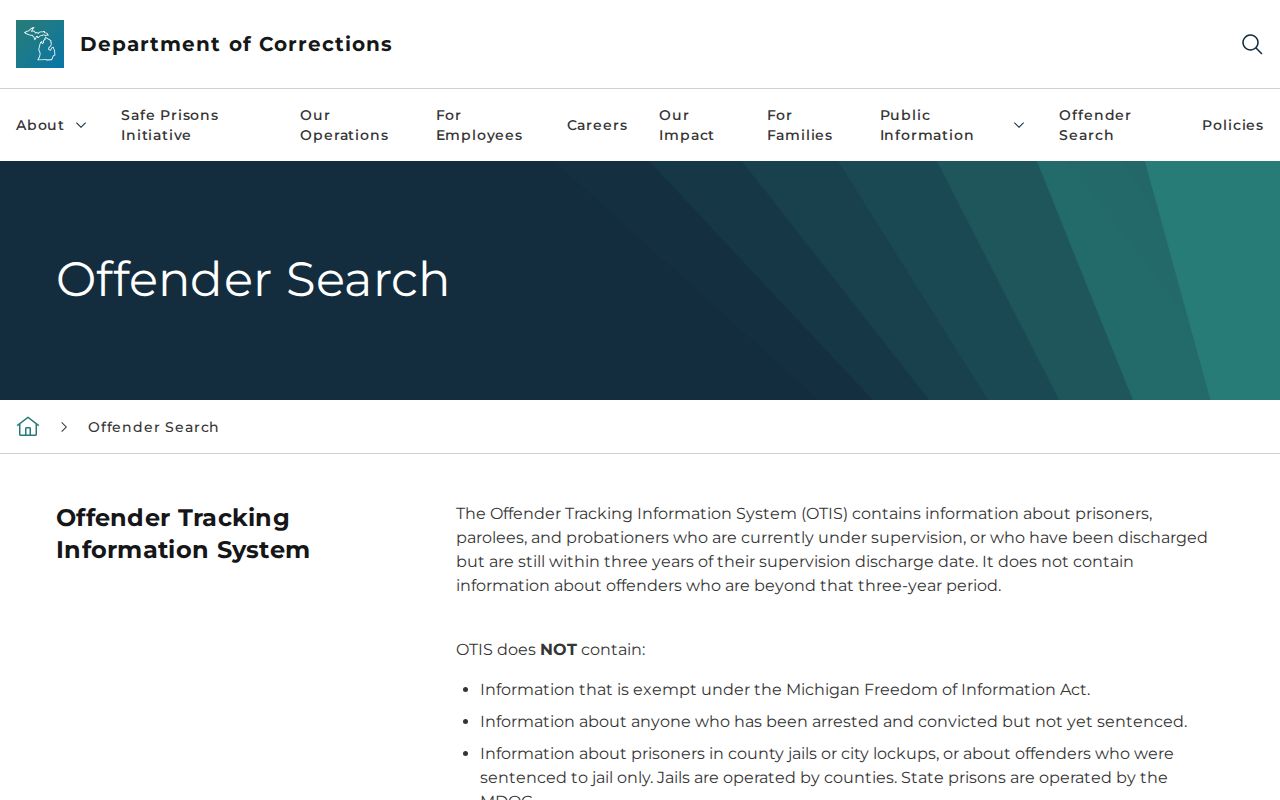
The exclusions matter. A search can come up empty even when a person has had contact with police or a local jail.
How to Search MDOC Mugshots
OTIS offers several ways to narrow a search. A plain name search works, and extra fields tighten it. An MDOC offender number points straight at a known record. The current form lists last name, first name, offender number, sex, race, age, offender status, and marks, scars, or tattoos. Common names benefit most from those filters. Watch for spelling differences, aliases, and old names too.
Compare the identity details before trusting any profile. The offender number is an agency identifier, not a case number. A photo helps tell two profiles apart. Still, it cannot confirm where a person sits right now. Read results as what MDOC displays, keeping any status date and supervision detail in view.
| Search field | Entry accepted by OTIS |
|---|---|
| Last name | Person's last name |
| First name | Person's first name |
| Offender number | MDOC offender number |
| Sex, race, and age | Available identity filters |
| Offender status | Status filter shown on the search form |
| Marks, scars, or tattoos | Physical descriptor search fields |
The official MDOC OTIS search form shows every field in context. The page displays the search interface itself, not a set of individual booking photos.
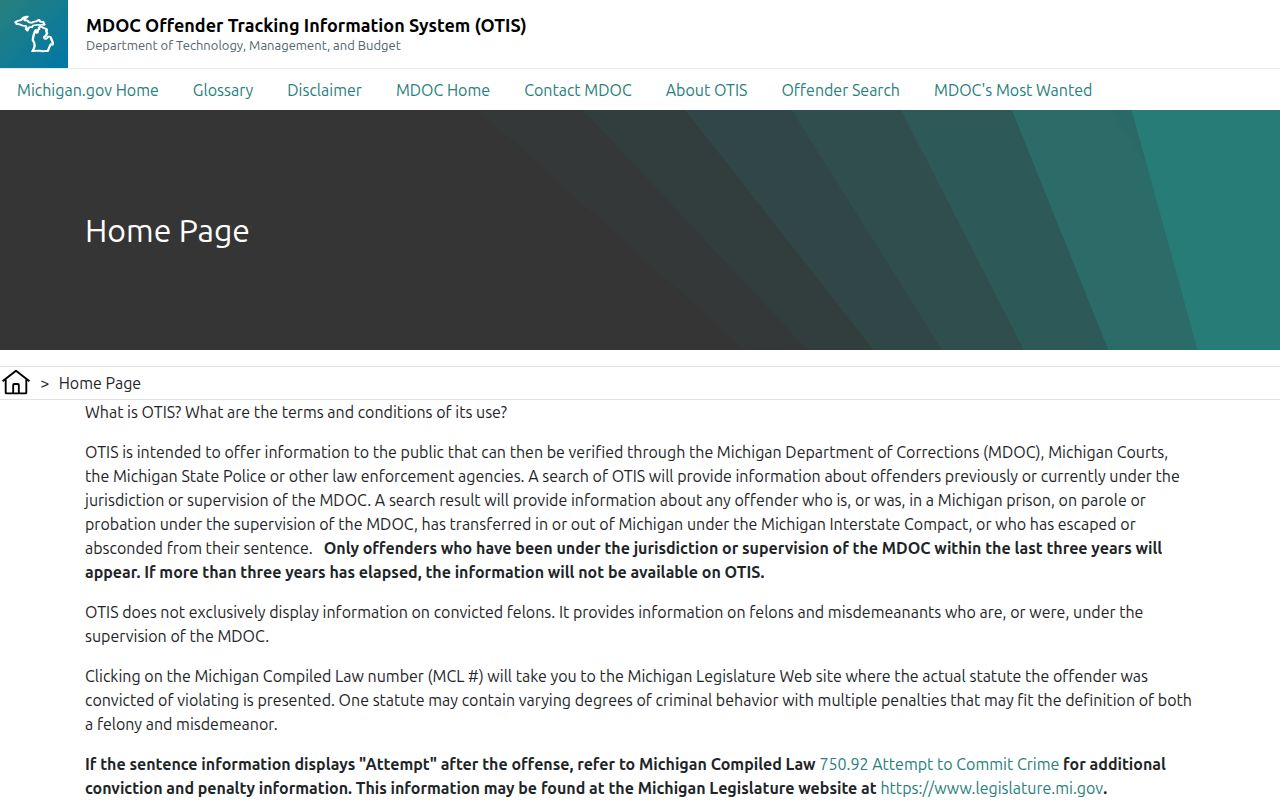
A careful search can follow a simple order. Settings on the form can change too. A miss may stem from spelling, timing, a record outside OTIS scope, or no public photo yet, so treat it as a gap rather than proof that no arrest happened.
- Start with the person's legal last name, then add a first name if needed.
- Use an MDOC number when it is known, and confirm that the profile name matches.
- Narrow a broad result with status, age, sex, race, or visible marks and scars.
- Open the likely profile and compare the photo, aliases, image date, and identifying fields.
- Read status and supervision dates separately from sentence and offense details.
Why Busted Arrests Miss OTIS
Who lands in OTIS? MDOC says the system covers prisoners, parolees, people on probation under current supervision, and anyone discharged within three years. Several groups stay outside those categories. That includes a person arrested or convicted but not yet sentenced, someone held only in a county jail or city lockup, and anyone serving just a county-jail sentence. A profile may lag. Sometimes no electronic photo exists yet. Supervision that ended more than three years ago falls outside the display window. These rules govern MDOC's public information alone. Another agency can still hold a booking card or image. Common reasons for absence include:
- The person has an arrest or conviction but has not been sentenced.
- The person is in a county jail or city lockup, with no MDOC supervision record.
- The sentence is served only in a county jail.
- An electronic photo is not yet available or has not yet been taken.
- More than three years have passed since discharge from supervision.
OTIS can list a person long after release. The agency keeps public records for up to three years past discharge from supervision. So a visible profile does not mean someone is still a prisoner, parolee, or probationer. Check the status field and the dates before concluding anything. Meanwhile, a person freshly booked in a county jail may not appear at all. MDOC notes that early removal can follow a court set-aside, an expungement, operation of law, or a correction under its rules. A set-aside changes the legal effect of a conviction. Expungement sets aside eligible records under state law. Neither wipes every copy at once. Other agencies and publishers may keep their own.
Death alone does not trigger removal, the agency says. A correction to a court, sentence, or supervision detail should go to the sentencing court or supervising agent as MDOC directs, since those records originate outside the public search interface.
When MDOC Photos Are Updated
Photo policy starts with a written rule. MDOC's Policy Directive 04.04.133, Prisoner Photographic Identification spells out how the department photographs prisoners. Intake includes a face photo plus images of scars, marks, and tattoos. New photos follow any change in appearance. Otherwise the cycle runs every three years. The directive keeps these images in a computerized database. It also permits a public-database update for an approved religious head covering.
One caution matters here. This is a prison identification policy only. It sets no photo schedule for sheriffs or local jails, and it never forces counties to post booking photos online. County systems run on their own rules, portals, and release cycles. So an MDOC image is best called an offender profile photo, not the original arrest mugshot.
Check the image date on the profile. That date places the photo in time. It says nothing about when the person was arrested, sentenced, released, or last seen. Three years is a ceiling, not a target. A new photo comes sooner if appearance changes. Dated photos can still look stale. Copied or indexed versions may lag behind the live MDOC page too.
So treat any image as a fragment, not a full visual record. The profile may hold one current database image. Earlier intake photos or later local booking shots stay with other agencies. Getting one means naming the right custodian and record type in the request.
Busted Mugshots vs MDOC Profiles
Booking photos and MDOC profiles come from different worlds. A booking photo is taken at a local jail during arrest intake. "Booking" means the agency logs the arrest and identity, sometimes with fingerprints and a photograph. An MDOC offender profile does other work. It tracks a person through state corrections or supervision. The profile photo may come from prison intake, updated later under the department's identification policy.
The same person can appear in both systems. They still share no single record set. The county of arrest may not be the county holding the person or the record. A sheriff, police department, jail administrator, or contracted jail keeps the original booking image. Do not assume MDOC holds that local file just because a state sentence came later.
| Question | MDOC offender profile | County booking record |
|---|---|---|
| Why it exists | Track state-prison and supervision records | Document a local arrest and jail intake |
| Who holds it | Michigan Department of Corrections | Arresting agency, sheriff, jail, or contractor |
| Photo meaning | Corrections identification image, with an image date | Image captured or held under local booking practice |
| Public lookup | OTIS, within MDOC's inclusion and retention rules | County portal, agency release, or a FOIA request |
Follow a booking record back to its source. Start with the agency that made the arrest or runs the jail. The Michigan County Directory routes you to county-level sources. Ask for a booking record or photograph by name and approximate event date. Name the arresting department if you know it. A state-prison photo is a different errand. Use OTIS or the MDOC records process for that. Charges listed at booking can change later, and a court disposition is the outcome entered in the case.
Other Michigan Mugshot Searches
Other state systems answer different questions. The Michigan State Police Criminal History Records page describes ICHAT, a name-based search covering reported felonies and serious misdemeanors from Michigan's counties. ICHAT is not a live arrest feed. It is not a photo search either. Suppressed information, warrants, federal and tribal records, traffic matters, juvenile records, local misdemeanors, and out-of-state cases fall outside it or face limits. Read any result, or a missing one, within those bounds.
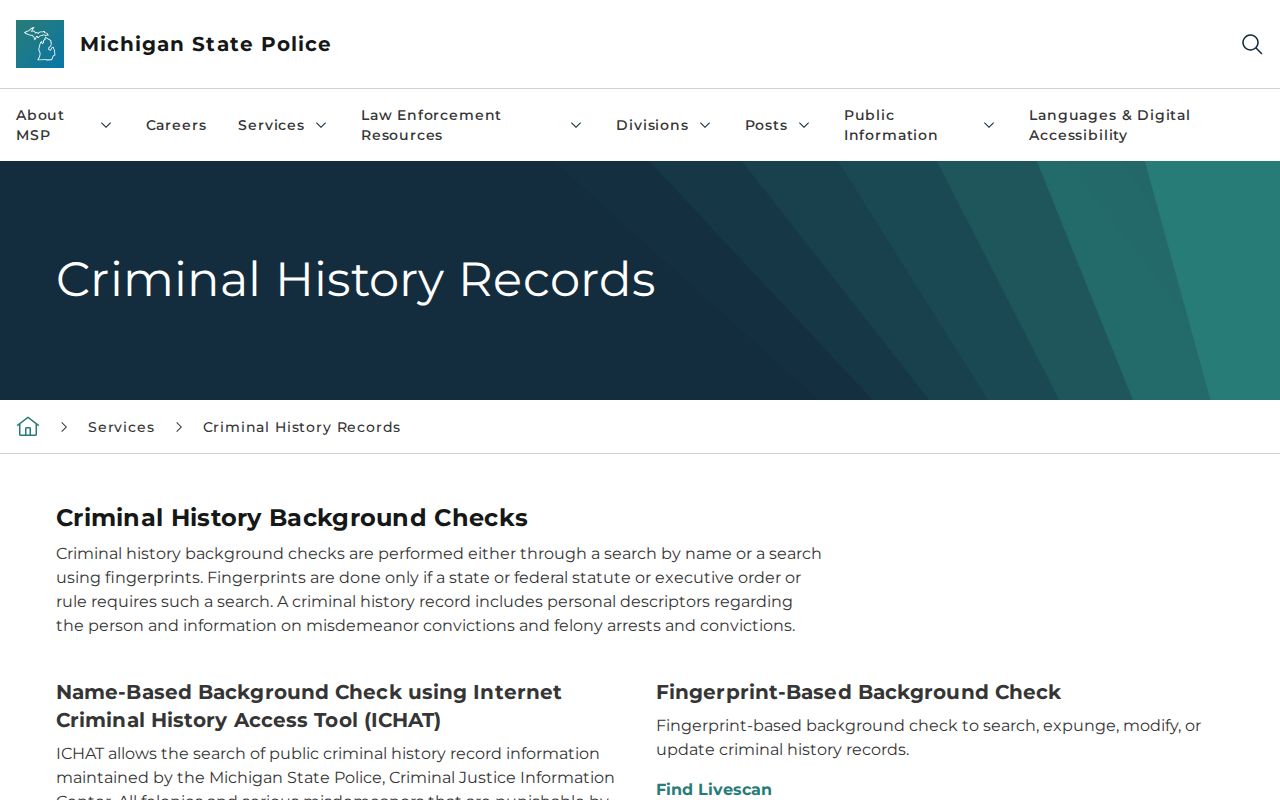
That distinction keeps ICHAT from being mistaken for a booking photo or custody record. Federal sentences sit outside MDOC too. The Federal Bureau of Prisons inmate locator covers separate custody details. It offers no public mugshots. Federal custody belongs to another agency. A name missing from OTIS may still surface in a federal locator or court file. The BOP tool is not a county roster. Court case status lives with the court holding the case. For an image, ask the agency that took it or keeps it.
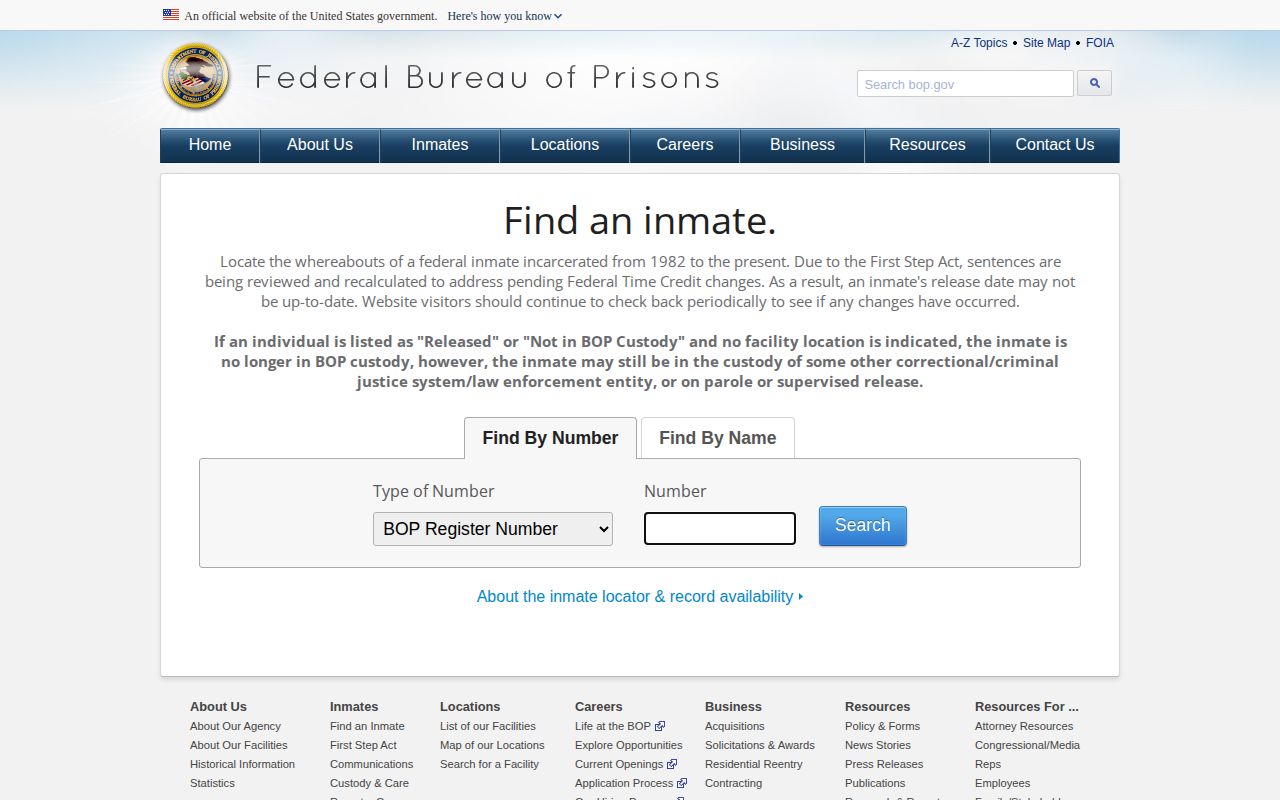
Each custodian keeps its own files. Searching one corrections system cannot rule out a record held by another.
MDOC Busted Wanted Profiles
MDOC runs a separate most-wanted page for selected absconder profiles. It stands apart from the ordinary OTIS offender search. An absconder has reportedly left parole or probation supervision without permission. That label differs from a fresh criminal warrant. The page is not a statewide warrant list either, so gaps are likely.
MDOC says tips can go to local law enforcement or its tip line. Check the agency page first. Reporting instructions can change. A profile may come down after an arrest. It can also drop after a return to supervision or an agency update. Never approach, follow, or try to detain anyone shown in a notice. Read the official MDOC wanted interface on its own terms. It works differently from the searchable offender profiles.
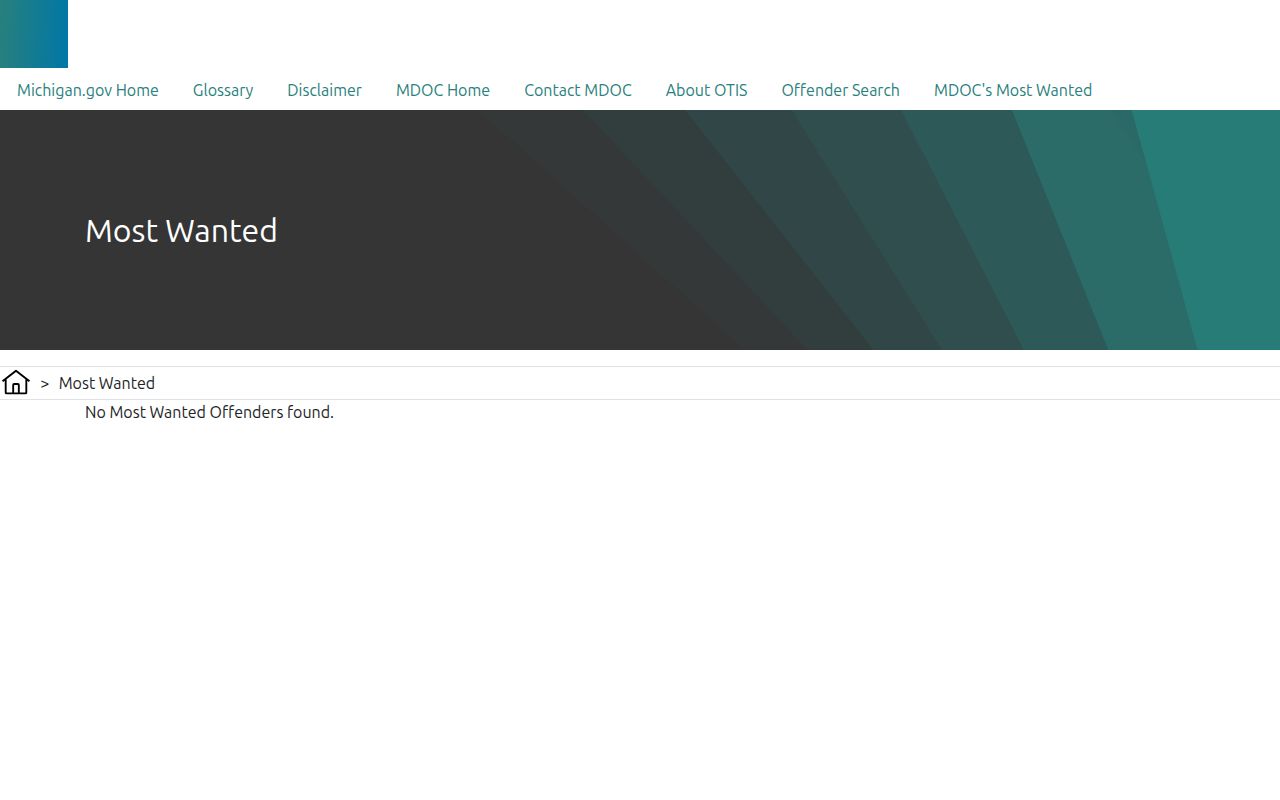
It does not list every warrant or replace the local agency's current case information.
Request MDOC Records and Photos
Michigan's FOIA law opens public records to requesters. The Department of Corrections handles it through the MDOC FOIA process page. It carries submission methods, contacts, and current instructions. Forms and addresses change, so read it before mailing anything. Name the record you want with enough detail for staff to actually find it.
Avoid asking for everything. A request might target an OTIS profile, an intake photo, a supervision record, a release date, or a named prison file. Seeking a correction? State which field looks wrong and add the supporting court information. Old cases have their own route. MDOC's contact page lists a records contact and a retention contact for certain past-prisoner files.
The FOIA page names MDOC-FOIA@michigan.gov and a Lansing mailing address. The department's contact page adds Corr_Records_Info@michigan.gov for records questions. Live agency instructions control how a request goes in. Search and copy costs vary by request. Check current rules rather than assuming a fee or a response date. County records belong to county custodians. An original booking card or arrest photo should go to the local sheriff, jail administrator, city police, or contracted jail, not automatically to MDOC. MDOC may hold the prison intake image and supervision papers instead. Local booking files stay local. Give the date range, the person's name and alias, the facility or arresting agency if known, and whether you want a photo, booking record, or later corrections document.
Keep whatever arrives with any court order backing a correction. A request seeks records only. Release is never guaranteed. Agencies may review files and redact protected details. If MDOC lacks the county record, ask the records officer to point you toward the true custodian.