
Michigan Famous Busted Records
Fame in Michigan usually arrives through courtrooms, press releases, and heavy news coverage. The picture attached to a story might be a booking photo, a prosecutor's handout, or an old portrait. Those are not the same record. A sheriff's office holds the booking. A circuit court keeps the case file. Federal courts run their own dockets of filings and events. Michigan's Freedom of Information Act spells out what counts as a public record and a public body. Exemptions and court-access rules still limit releases. Public status never guarantees a searchable web copy. Michigan's FOIA statute is the official place to start when an agency holds the material.
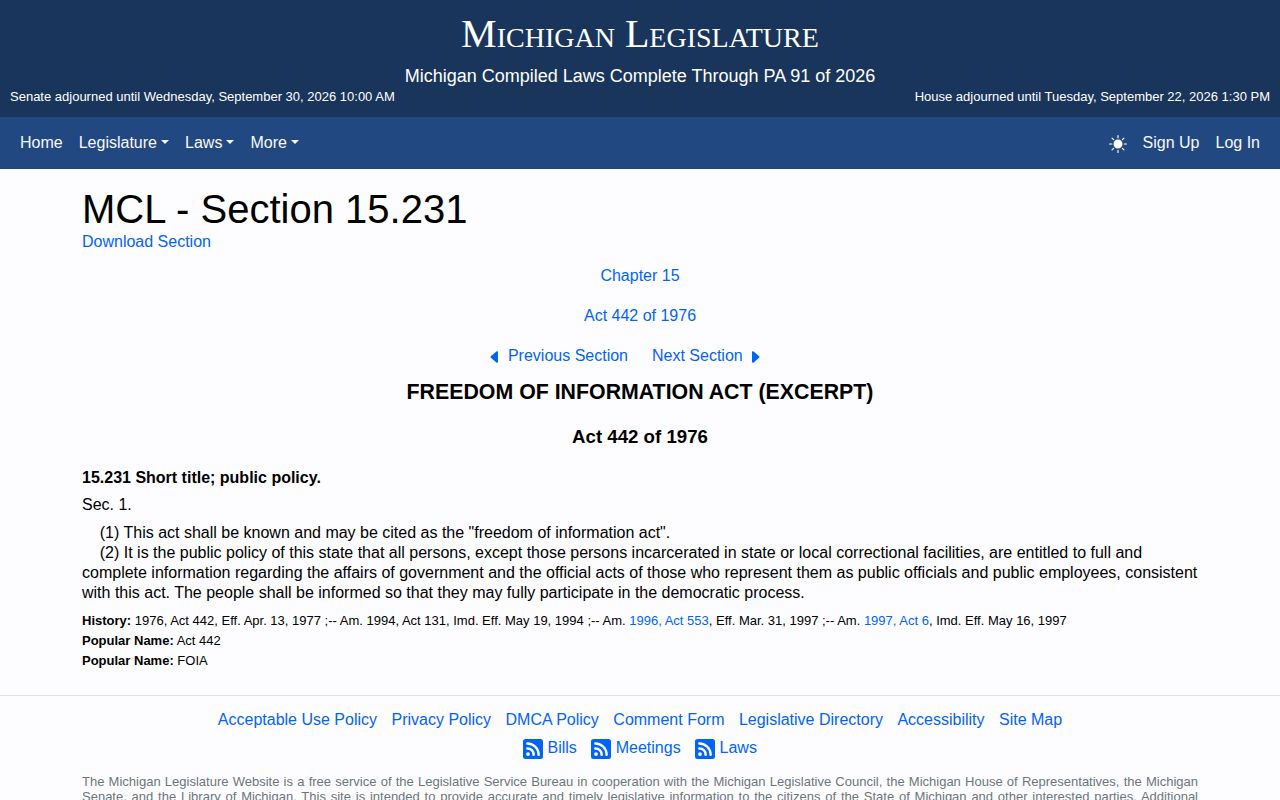
The statute names a custodian. It cannot smooth over every barrier. A court case, an agency file, and a news photo each follow their own access route.
Note: Court files and later rulings carry the final word on every case listed here.
Notable Michigan Arrest Outcomes
Every arrest story needs two things: a source and a later outcome. Court, government, and established news records back the dates. A listed record location names the custodian to ask. It never promises a booking image sits online, or that a news photo is the original.
| Case and period | Agency or court record | Known disposition | Source links |
|---|---|---|---|
| Larry Nassar, 2017–18 | Ingham and Eaton Circuit Courts; federal Western District of Michigan | State and federal guilty pleas and convictions, followed by lengthy prison sentences. | Michigan AG case release; DOJ federal sentence |
| James and Jennifer Crumbley, 2021–24 | Oakland County Circuit Court and sheriff custody records | Both were convicted of involuntary manslaughter and sentenced to 10–15 years. | Oakland County case timeline |
| Richard Wershe Jr., 1988 onward | Detroit/Wayne County courts and MDOC/Parole Board records | Drug conviction and life-without-parole sentence; later paroled from Michigan and transferred to Florida custody. | AP/ClickOnDetroit release report |
| Jack Kevorkian, 1998–99 | Oakland County court and prosecution records | Second-degree murder conviction, 10–25-year sentence, and release in 2007. | Washington Post sentence report |
| Stephen Grant, 2007–08 | Macomb County Sheriff and Circuit Court files | He pleaded not guilty at arraignment, was later convicted of second-degree murder, and received a 50–80-year sentence. | Sixth Circuit post-conviction opinion |
| Shanda Vander Ark, 2022–24 | Muskegon County Sheriff, Norton Shores Police, and Circuit Court | She was convicted and sentenced to life without parole for murder, plus 50–100 years on the child-abuse conviction. | AP sentencing report |
| Kwame Kilpatrick, 2013–21 | Federal Eastern District of Michigan; related Detroit and Wayne County files | Federal convictions and a 28-year sentence were later commuted; the commutation was not an acquittal or expungement. | DOJ sentence release; DOJ commutation list |
A disposition is simply the court's outcome. It may be a conviction, acquittal, dismissal, or sentence. A commutation changes the punishment but leaves the conviction standing, so check the case file when legal status matters.
Nassar's Busted Image Source
Larry Nassar's state cases ran through Ingham and Eaton counties. The Michigan Attorney General's release records guilty pleas to seven first-degree criminal sexual conduct counts in Ingham County on November 22, 2017. It also lists three more pleas in Eaton County. Those came on November 29. Ingham County sentenced him to 40–175 years on January 24, 2018. Eaton County added 40–125 years on February 5. These are settled convictions, not open arrest claims.
The federal case stood on its own. The U.S. Department of Justice records a federal guilty plea and a 60-year sentence running consecutively. So one history lives across three record systems. Ingham and Eaton Circuit Court files cover the state cases. The Western District of Michigan docket covers the federal one.
Labels on images deserve the same caution. CBS identified a November 21, 2016 image as supplied by the Michigan Attorney General. That provenance still does not make it a booking photograph. Trust the source's own label. Start any search with the court or agency that created the document.
Crumbley Busted Case Records
James and Jennifer Crumbley were arrested in Oakland County. The arrests followed the shooting at Oxford High School on November 30, 2021. Each faced prosecution in a separate case. Oakland County's official timeline records 10–15 year sentences for both on April 9, 2024. The outcome was a conviction for involuntary manslaughter.
For the charges, hearings, and sentence, the Oakland County Circuit Court file is the court path. The sheriff's custody and booking records sit on a separate agency track. News archives show plenty of images, but no current booking-image URL is posted, and a press photo should never be relabeled as one. For any similar local case, name the county court and the arresting agency. Ask for the record after that.
Wershe Busted Arrest Records
Richard “White Boy Rick” Wershe Jr. was busted at 17 years and 10 months old. His case involved more than 650 grams of cocaine. On February 4, 1988, a court handed him life without parole. Parole came years later. He then left prison under supervision and moved from Michigan custody to Florida custody. Arrest, sentence, parole, and transfer each mark a different stage of his record, so one booking-era caption never tells the whole story.
Where do the papers live? Detroit and Wayne County police and court files hold pieces, while MDOC and Parole Board records cover the prison stretch. Media archives round things out. An AP/ClickOnDetroit report documented the Florida transfer, though it never makes a circulating media image the original booking photograph. For old Michigan cases, start with court and correctional records. Use news archives second, and only with the photo label intact.
Kevorkian Court Disposition
Jack Kevorkian surrendered after a 1998 murder prosecution in Oakland County. A jury convicted him in 1999. The charge was second-degree murder. The court set his term at 10 to 25 years, and he walked out of prison in 2007. So this file ends with a conviction, a sentence, and a release rather than an open case.
Where do the paper trails live? Oakland County court and prosecution records hold the official account, with local police files alongside them. Press photographs may sit in AP and AFP archives. Call a courtroom shot what it is, though. A media image is not a booking photo unless its own source labels it that way, and any comparable case starts with the county court file.
Grant Case Disposition
Stephen Grant’s 2007 arrest came after his wife disappeared and died. He pleaded not guilty at arraignment. That hearing states the charges and takes a plea. The case moved on. A jury convicted him of second-degree murder after a full trial. In 2008 he received 50 to 80 years. Appeals and federal court challenges followed. The disposition is the conviction and sentence together. The first plea by itself is never the outcome of a case.
Macomb County Sheriff booking and custody records sit apart from the Macomb County Circuit Court file. WXYZ’s appellate coverage and a Sixth Circuit post-conviction opinion supply the later context. Station and wire archives may hold news images from the case. The original booking photo’s current location remains an open question. Start with the case docket, and confirm any image’s label with its custodian.
Vander Ark Court Outcome
Shanda Vander Ark was arrested in July 2022 in the matter involving her son. Norton Shores and Muskegon County handled the case. Prosecution played out in Muskegon County. AP reported the December 2023 verdict and the January 2024 sentence: life without parole for murder, plus 50 to 100 years on the child-abuse conviction.
The record trail runs through Muskegon County Circuit Court. Custody and investigative files sit with the Muskegon County Sheriff and Norton Shores Police. A photo on a third-party page or in a news story is not automatically the sheriff’s booking image. Agency photos and court dispositions need separate source labels. For the outcome, the court file is the path.
Kilpatrick Federal Disposition
Kwame Kilpatrick, Detroit’s former mayor, drew a 28-year federal sentence in 2013. The charges covered racketeering, extortion, bribery, fraud, and tax offenses. President Biden commuted that sentence in 2021. He remained convicted of 24 felonies. That is what the U.S. Attorney’s Office noted. Commutation changes a sentence only. It is no acquittal, dismissal, or expungement.
The Eastern District of Michigan federal docket anchors that case. So do the prosecution records. Detroit and Wayne County files cover separate local matters. A circulating portrait or arrest-era picture is not automatically a federal booking photograph. For legal status, check the federal court and DOJ records. For any local matter, find the agency and court that built that file.
Michigan Busted Photo Provenance
A famous arrest photo is not always a booking photo. Booking images are made during jail intake. A prosecutor’s handout comes from somewhere else entirely. So do police press images, courtroom shots, scene images, and old portraits. Keep the caption with the picture. Record who supplied it. Never assume a jail origin just because the image sits beside an arrest story. In the Nassar case, CBS names the image source in its report. Every other public case needs the same check.
Court records differ from police booking records, too. MiCOURT’s public case-search interface helps locate a published case by name or number. Juvenile, sealed, confidential, older, or locally held cases may be absent or limited. The clerk’s official docket controls. That docket is the court’s record of filings and events. MiCOURT is neither a photo source nor a live warrant check. Michigan’s FOIA exemptions show why public-record status does not make every image unrestricted. It does not make every image automatically online either.
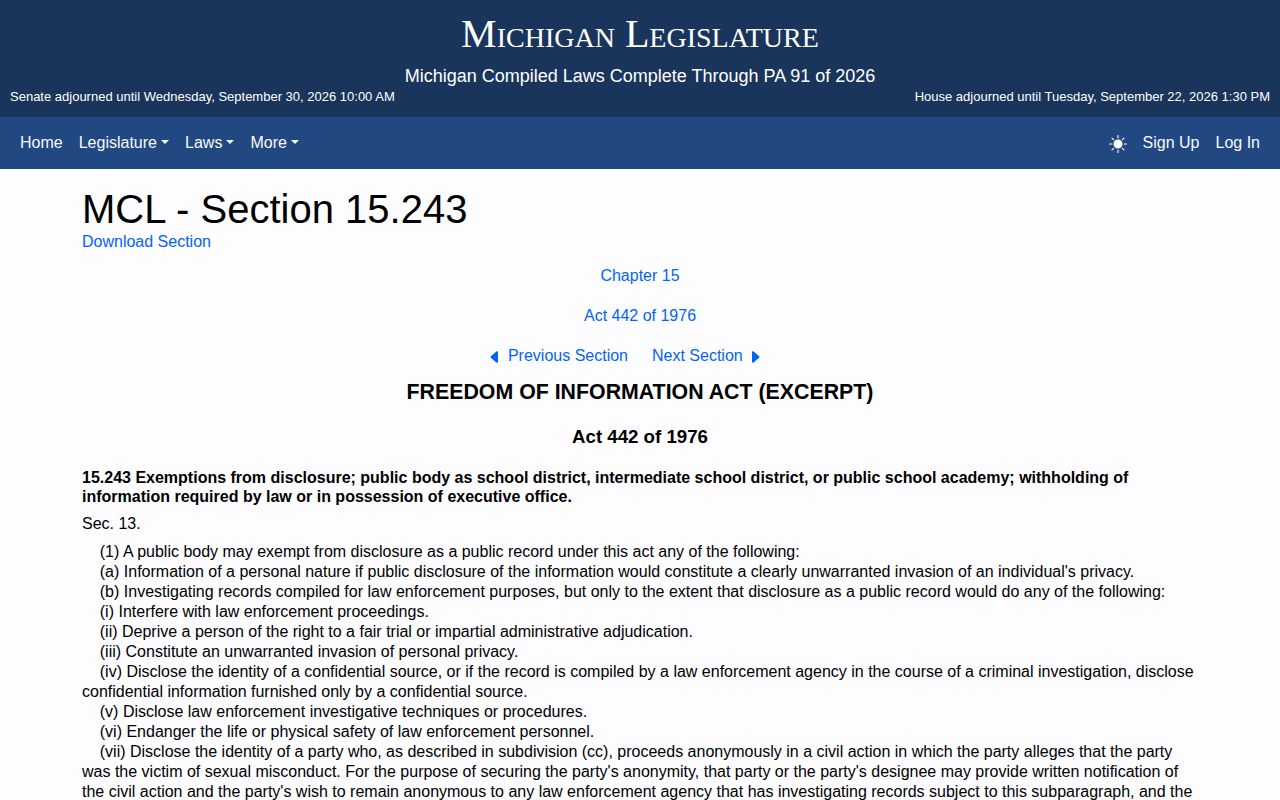
Use the court portal to find a published case first. Then ask the clerk for the official filing. For a booking record and photo, go to the booking agency itself, and keep that image distinct from any press or courtroom photograph.
Older Michigan Case Records
Digging for older Michigan arrest records takes patience. No single statewide database holds historic booking photos. The Archives of Michigan suggests starting with its catalog and county guides, then reaching out to the reading room whenever a record series seems unclear. Its visit and request page lays out how to inquire about a collection, plus access limits and reproduction options.
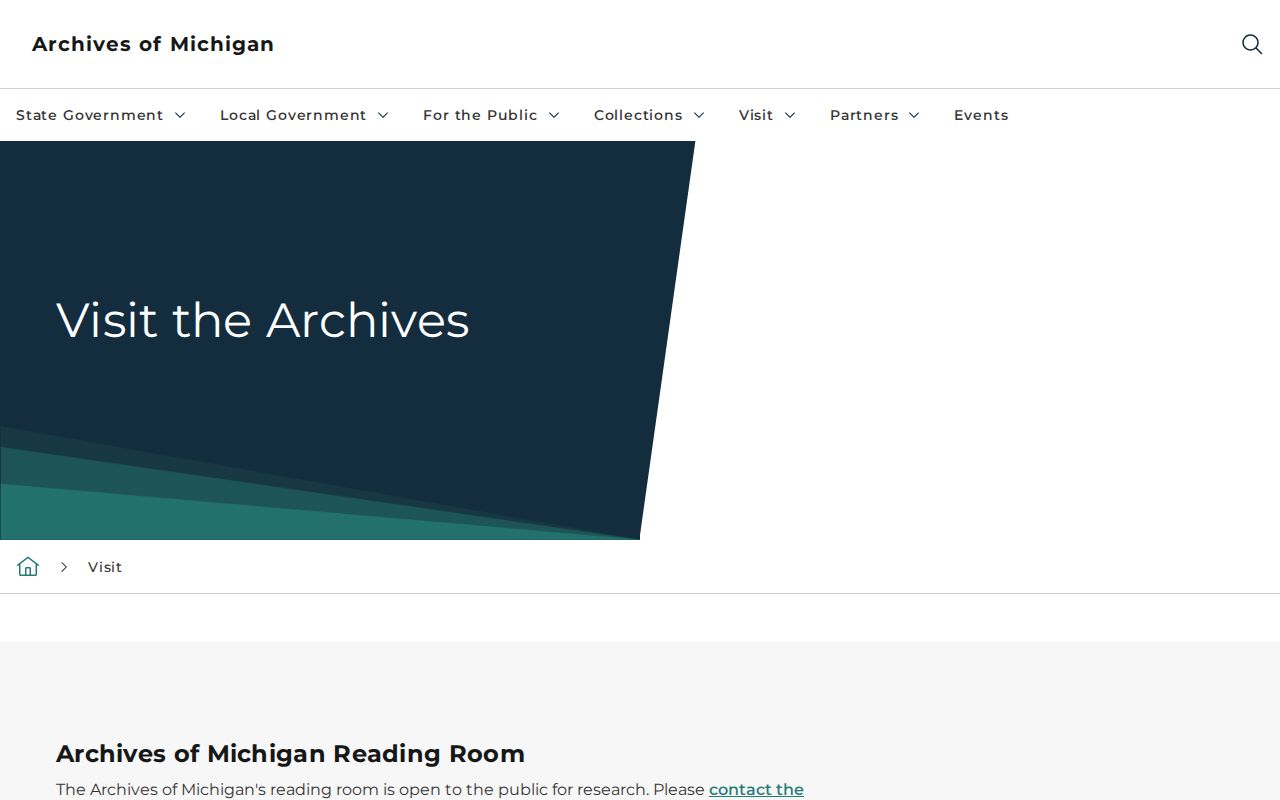
Working through the reading room has real advantages. Staff can tell you whether a series exists, if it is restricted, or if you must view it on site. The Archives' county guides let you search by county, facility, record series, or date range, which often beats chasing a name alone.
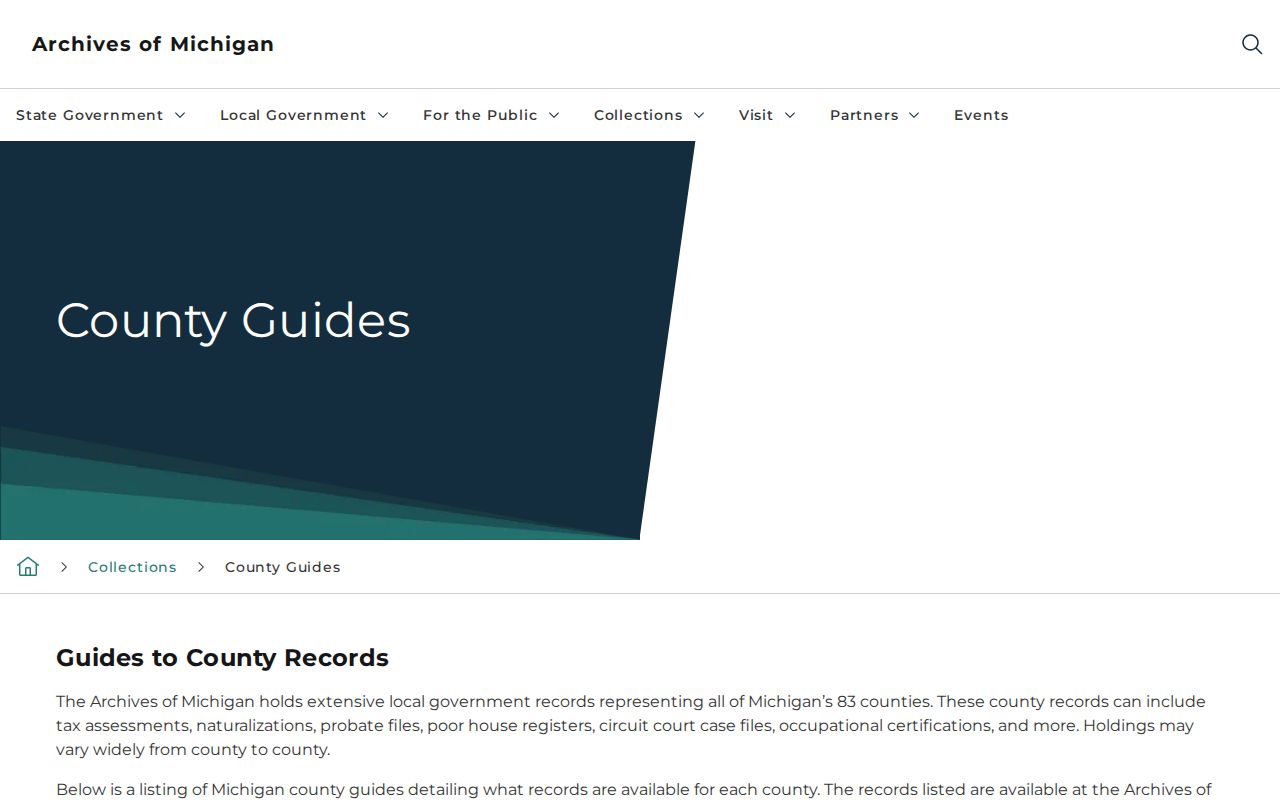
One caution applies here. A catalog entry does not prove a mugshot still exists in digital form. When you contact an archivist, include the agency or facility, the date range, the record type, and any known name, then follow the access rules for that collection.
Trace Michigan Busted Mugshots
Famous or not, the trail is the same. Identify the agency that made the arrest. Find the court that handled the case. Then ask each custodian for what it created, going to the official source rather than trusting an image lifted into a search result. Along the way, expect that a record may be withheld, limited, offline, or simply gone.
- Identify the arresting agency and county. Use the event location or case paperwork to identify the sheriff, city police, or other agency that handled the arrest. Ask for a booking record or photo by date and case details.
- Locate the court case. Search MiCOURT by name or case number where available. Confirm the case and its final disposition with the court clerk; an online result may be limited or out of date.
- Check the right custody system. County booking records concern local jail intake. A person sentenced to state prison belongs in MDOC records, while federal matters have a separate federal docket and custodian.
- Ask about older material. Search the Old Mugshot Archives path for catalog and retention guidance, then contact the agency or archive that may hold the record.
For next steps, the Michigan statewide arrest and booking overview shows how to reach official county sources. A few habits keep your work honest. Label the source for every image. Say plainly whether it is confirmed as a booking photo. Report the case outcome beside the arrest record, and never assemble faces into a gallery.